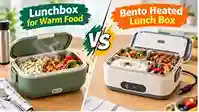
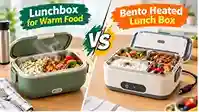
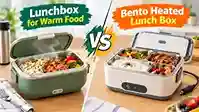
Lunchbox for Warm Food vs Bento Heated Lunch Box If you need to eat fresh, warm and scrumptious meals out of the house, you may be torn between a lunchbox for hot food and that of a heated bento filled with ginseng rice. Both options are aimed at making your lunch hour easier, whether you’re a student or office worker on the go, in transit, or simply prefer homecooked meals. They do however vary wildly with regards to the features, heating method and general convenience involved which may steer your choice.
Lunchbox for warm food (provided that it is insulated or has heating capabilities to keep the meal warm, as appropriate at school, work or on the road). In contrast, a bento heated lunch box ties most of the traditional bento-style style food compartments together with a lot of these versions have a home heating system. Knowing the differences between these two lunchboxes will help you work out which is the best for your everyday routine, what meals you enjoy and also budget.
Lunchbox for Warm Food vs Bento Heated Lunch Box: Overview
A warm food lunch box is made to help retain the temperature of hot servings until it comes time to eat. These would be considered insulated models that keep the temperatures hot, but if they are electric versions, they can have a microprocessor that actively heats food using a low-watt heating element. These lunchboxes come in various sizes, materials and styles to fit in different lifestyles.
A bento heated lunch box is typically based on the traditional Japanese bento design which divides different foods in compartments. Heated models offer this functionality, combined with an electric heating function. These can haave removable trays, separate sections for their food and, in some models portable power allowing you to take balanced meals on-the-go.
Lunchbox for Warm Food
A thermal lunchbox is a practical product used in everyday life, especially for those who are looking to pack home-cooked meals and go to school,work or anywhere else. It may use thermal insulation to slow heat loss or electric heating system to heat up food before eating, depending on its design It was mainly intended to provide a comfortable way of having lunch without relying on any nearby food options.
The vast majority of warm-food lunchboxes have portable construction, secure lids and easy-to-clean food containers. While electric models feature removable stainless-steel inner trays, the insulated types have not need electricity. It determines whether you need a design that can actively heat your meal or if you only need to insulate it after cooking.
Value
A lunchbox for warm food offers good everyday value because it supports meal preparation at home and reduces the need to purchase lunch outside. Insulated models can be a simple option, while electric versions may offer additional convenience when a suitable power source is available.
Key Features
- Heat retention: Insulated designs help slow the loss of warmth.
- Electric heating: Available in selected models for warming prepared meals.
- Portable design: Convenient for carrying meals to work, school, or travel.
- Food-safe materials: Many models use stainless steel or food-grade plastic.
- Easy cleaning: Removable inner containers make cleaning more manageable.
- Secure lid: Helps prevent spills when the lunchbox is properly closed.
Pros
- Suitable for homemade meals.
- Available in insulated and electric designs.
- Often easy to carry.
- Helps reduce reliance on takeaway food.
- Available in different sizes and capacities.
- Some models are simple to clean and maintain.
Cons
- Insulated models cannot actively reheat cold food.
- Electric models require a compatible power source.
- Heating time varies between products.
- Some designs may have limited food compartments.
- Larger models can take up more space in a bag.
Recommended
A lunchbox for warm food is recommended for people who prioritize simple meal storage, heat retention, or straightforward electric warming. It is a practical choice for office workers, students, and travelers who prefer carrying homemade meals.
Best For
- Office lunches
- School meals
- Homemade food storage
- Daily commuting
- People who prefer simple lunch containers

Bento Heated Lunch Box
While some people prefer to have their food spread out in its own compartment, a bento heated lunch box is an ideal choice. This design draw on classic bento boxes to create a simple way of transporting rice, vegetables, pasta and all the various components of your meal in an orderly manner. Most electric variants come with a heating element to heat your food while plugged into an appropriate power source.
This is where the bento heated lunch box can come to your rescue, especially if you are someone who needs something convenient for your on-the-go lunchtime experience. Features can include removable food trays, a closed lid, a small design, and an electric heating system depending on the type model. And some versions also come with extra containers for sauces or snacks, adapting to various meal preferences.
Value
A bento heated lunch box offers practical value by combining food organization and heating functionality in one product. Its compartment-based design is especially useful for people who prefer keeping different foods separate. Although some models may cost more than basic insulated lunchboxes, their additional features can make them a worthwhile option for regular use.
Key Features
- Compartment design: Separates different foods to keep meals organized.
- Electric heating: Selected models warm prepared meals using electricity.
- Portable construction: Designed for carrying meals to work, school, or travel.
- Removable trays: Some models include containers that are easy to remove and clean.
- Secure lid: Helps keep food contained during transportation.
- Versatile storage: Suitable for rice, vegetables, pasta, and other everyday meals.
Pros
- Keeps different foods separated.
- Convenient for organized meal preparation.
- Electric heating is available in many models.
- Suitable for a variety of homemade meals.
- Removable compartments are convenient for cleaning.
- Available in compact and larger designs.
Cons
- Electric models need a suitable power source.
- Heating may take time before food is ready.
- Some compartments may have limited capacity.
- Additional components can make cleaning more involved.
- Not every model is suitable for liquids.
Recommended
A bento heated lunch box is recommended for people who enjoy organized meals and want the option of heating their food during the day. It is particularly helpful for students, office workers, and people who regularly bring different types of food in one container.
Best For
- Organized homemade meals
- Rice and vegetable dishes
- Office and school lunches
- People who prefer separate food compartments
- Those looking for a portable electric lunchbox

Lunchbox for Warm Food vs Bento Heated Lunch Box: Main Differences
Both products are useful for carrying meals, but their designs and functions are not exactly the same. A lunchbox for warm food focuses primarily on retaining or providing warmth, whereas a bento heated lunch box emphasizes food organization alongside heating functionality.
| Feature | Lunchbox for Warm Food | Bento Heated Lunch Box |
|---|---|---|
| Main purpose | Retaining or providing warmth | Organizing and heating meals |
| Design | Simple or insulated container | Compartment-style container |
| Heating | Insulated or electric, depending on model | Often electric in heated models |
| Compartments | Varies by design | Usually multiple sections |
| Portability | Generally portable | Generally portable |
| Food variety | Depends on capacity | Useful for separated dishes |
| Cleaning | Often straightforward | Depends on the number of compartments |
| Power | Not required for insulated models | Required for electric heating |
| Versatility | Suitable for many meals | Ideal for mixed and organized meals |
| Best advantage | Simple warmth-focused design | Meal separation and heating |
Heating Performance and Convenience
Heating capability is another element to compare a lunchbox for warm food versus bento heated lunch box. Insulated lunchboxes are made to keep hot food worth keeps, they will help colourful slightly reheated food only. They do not actively heat meals, so their effectiveness relies on how good the insulation, the initial temperature of the food and how long does keep these containers closed.
Electric Lunchbox Some warm-food and bento lunch boxes heat pre-cooked food using a heating element. The time they take to heat up depends on their wattage, the weight and heat of the food at first and manufacturer guidance. You must read and adhere to the heating instructions for each model electing appliance because it cannot be presumed that every electric company cooks food in exactly the same window of time.
The bento heated lunch box might be great if you are someone who often packs multiple different dishes. But if you just want to maintain the temperature of a hot dish, then an insulated lunchbox could be all you need.
Design and Food Storage
One such element that can make or break the usability of your lunchbox is its overall design: a well-designed container allows you to easily organize and transport meals without making it uncomfortable. A traditional warm food lunchbox would have a large single compartment in it, which is what you want for pasta, rice, soup or similar one-dish meals. Some models even include small containers for side dishes.
Usually the bento heated lunch box offers several compartments, so you can separate different foods. This type of setup can help avoid cross-mixing ingredients during transit. It is particularly useful for serving rice, vegetables and other foods in one container.
Also check the capacity, size, lid style and whether inner container is removable when selecting either one. These nuances can have a considerable impact for everyday convenience.
Portability and Everyday Use
Portability is another important consideration when selecting a lunchbox for warm food vs bento heated lunch box. Both options are generally designed for people who carry meals outside their homes, but their weight, shape, and capacity can vary significantly.
A lunchbox for warm food with a compact design can easily fit inside many backpacks or work bags. Insulated models are particularly convenient when you do not have access to electricity. Electric models, however, may require a power cable and a suitable electrical outlet.
A bento heated lunch box is also designed for portability, with compartments that help organize meals. However, some models may be bulkier because of their multiple trays and heating components. Before purchasing, check the product dimensions and weight to ensure it suits your daily commute.
Cleaning and Maintenance
Cleaning is essential for maintaining food hygiene and extending the useful life of your lunchbox. A lunchbox for warm food with a removable inner container is generally easy to clean because you can separate the food-contact parts from the outer body. However, insulated containers may require careful cleaning according to the manufacturer’s instructions.
A bento heated lunch box may have several compartments that need individual cleaning. Removable trays can make this task easier, especially when different foods are carried together. Electric components should never be immersed in water unless the manufacturer specifically states that they are waterproof.
For both options, clean food-contact surfaces after use, dry the components thoroughly, and check the manufacturer’s instructions before placing any part in a dishwasher.
Price and Overall Value Lunchbox for Warm Food vs Bento Heated Lunch Box
The price of a lunchbox for warm food or a bento heated lunch box depends on its material, capacity, heating technology, and additional features. Basic insulated lunchboxes are often available at a lower cost because they do not require electrical components.
Bento heated lunchboxes may have a higher initial price when they include heating systems, removable compartments, or additional accessories. However, the right product is not necessarily the most expensive one. Consider how frequently you will use it and which features genuinely meet your needs.
When comparing products, look at the warranty, material quality, heating specifications, cleaning requirements, and customer feedback. These details can help you identify a product that offers lasting value rather than choosing based on price alone.
Which One Should You Choose?
The best option depends on your daily routine, preferred meals, and access to electricity.
Choose a lunchbox for warm food if you want a straightforward container that helps maintain the warmth of prepared meals. An insulated model is particularly useful when you do not have access to electrical outlets. An electric version may be suitable if you want the additional option of reheating food.
Choose a bento heated lunch box if you prefer keeping different foods separated and want the convenience of an electric heating system. Its compartment-style design is useful for balanced meals containing several ingredients.
Both options can make meal preparation more convenient. Checking the actual product specifications is important because heating capabilities, materials, and compartment arrangements differ from one model to another.
Tips for Choosing the Right Lunchbox
Consider these factors before making your purchase:
- Capacity: Select a size that comfortably accommodates your usual meal.
- Heating method: Decide whether insulation or active electric heating is more suitable.
- Material: Look for food-contact materials that are clearly identified by the manufacturer.
- Compartments: Choose a single compartment or multiple sections according to your meals.
- Portability: Check the weight, dimensions, and lid security.
- Cleaning: Prefer removable components if they make maintenance easier.
- Safety: Follow the manufacturer’s instructions for electrical use, heating, and food handling.
- Budget: Compare features and warranty coverage rather than focusing only on the initial price.
Conclusion
When comparing a lunchbox for warm food vs bento heated lunch box, both products offer practical benefits for people who prefer homemade meals. A lunchbox for warm food is a convenient choice for retaining warmth or actively heating food, depending on its design. It is particularly suitable for people who want a simple and portable meal container.
A bento heated lunch box is a useful alternative for people who enjoy organized meals with separate compartments and the convenience of electric heating. Its design can make it easier to carry different foods together while keeping them separated.
Ultimately, the right choice depends on your meal preferences, daily schedule, available power sources, and budget. If simplicity and heat retention are your priorities, a lunchbox for warm food may be the better fit. If food organization and heating are equally important, a bento heated lunch box may be more suitable.
Frequently Asked Questions (FAQs)
1. What is the difference between a lunchbox for warm food and a bento heated lunch box?
A lunchbox for warm food is designed to retain or provide warmth, depending on whether it is insulated or electric. A bento heated lunch box combines a compartment-based design with electric heating in many models, making it convenient for carrying and warming different foods.
2. Is a bento heated lunch box better than a regular lunchbox?
A bento heated lunch box may be better for people who prefer separated food compartments and electric heating. A regular insulated lunchbox may be more suitable for people who simply want to retain the warmth of their meals without needing electricity.
3. Can a lunchbox for warm food heat cold meals?
Only electric models are designed to actively heat cold meals. An insulated lunchbox helps maintain the temperature of food but does not generate heat. Always check the manufacturer’s instructions for the specific model.
4. How long does a bento heated lunch box take to warm food?
Heating time varies according to the model’s power, the quantity of food, its initial temperature, and the heating method. Refer to the manufacturer’s specifications for an appropriate heating time and procedure.
5. Can I carry rice and vegetables in a bento heated lunch box?
Yes, many bento heated lunchboxes have separate compartments suitable for carrying rice, vegetables, and other dishes. Check the compartment sizes and whether the product is designed to accommodate the types of food you plan to carry.
6. Are electric heated lunchboxes safe to use?
Electric heated lunchboxes can be used safely when operated according to the manufacturer’s instructions. Use the specified power source, keep electrical components dry, and avoid using a damaged cable or appliance.
7. Which lunchbox is better for office workers?
Both can be suitable for office workers. A lunchbox for warm food is useful for retaining heat or warming a single meal, while a bento heated lunch box is a convenient option for people who carry several different dishes and have access to a compatible power source.
8. Is a bento heated lunch box easy to clean?
Many bento heated lunchboxes feature removable compartments that simplify cleaning. However, cleaning requirements vary by model. Always check whether the trays are dishwasher-safe and keep electrical components away from water unless specifically rated for washing.